
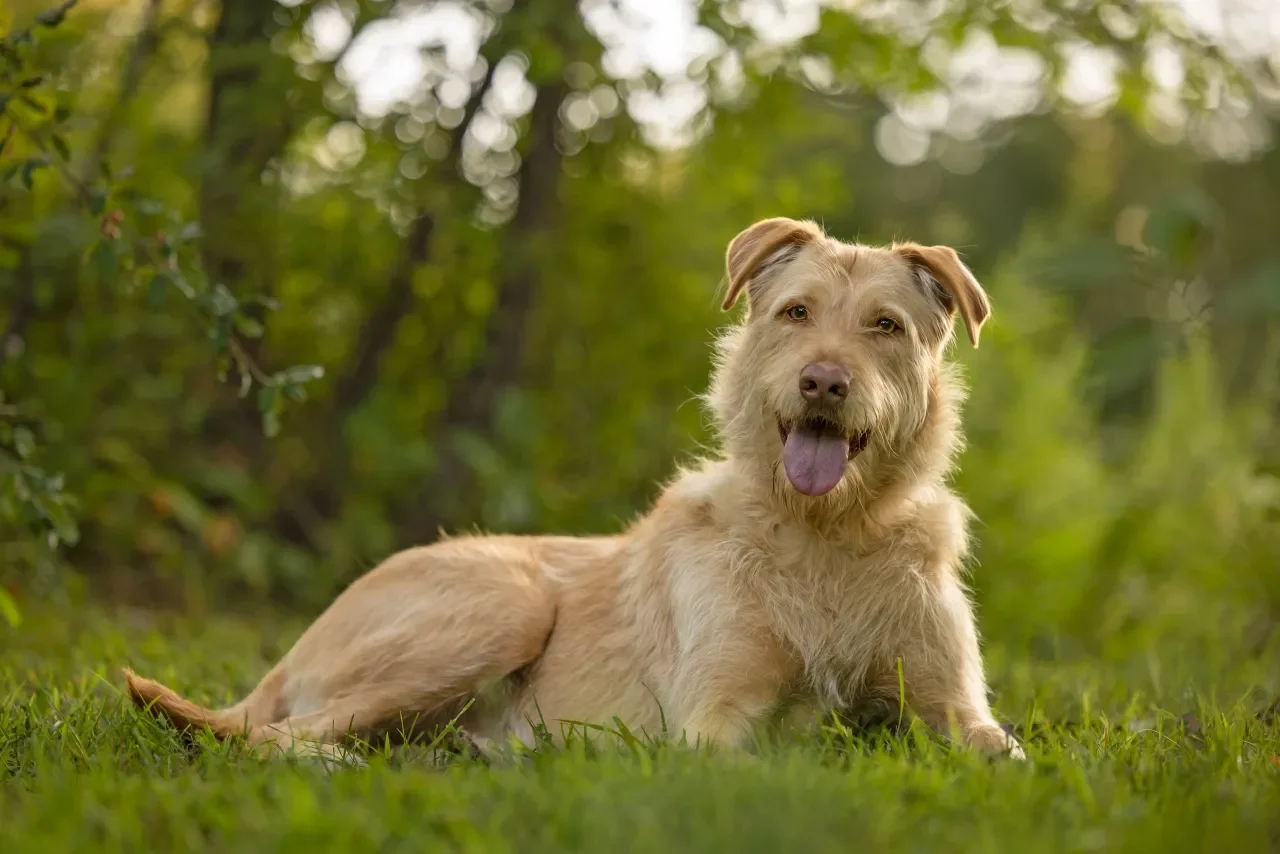
Did you know that Mutts/Mixed Breed dogs make up more than half of all the dogs in homes across the U.S.? There’s something incredibly special about a mixed breed dog. They’re full of surprises, rich in personality, and often bring together the very best traits of multiple breeds into one unforgettable companion. As someone who has spent over 13 years fostering rescue dogs - welcoming 450+ dogs (I honestly lost count) into my home - I can confidently say that mixed breeds make up a huge portion of those dogs… and they are an absolute joy to be around.
The Health Advantage of Mixed Breeds
One of the most commonly discussed benefits of mixed breed dogs is their overall health. While no dog is immune to illness or genetic conditions, mixed breed dogs often benefit from greater genetic diversity, which can reduce the likelihood of inheriting certain breed-specific health issues. This phenomenon, often referred to as “hybrid vigor” or " heterosis," means that mutts may be less prone to the hereditary conditions that can occur when dogs are bred within a very narrow gene pool.
That doesn’t mean all purebred dogs are unhealthy—but it does mean that genetics matter. Diversity can be a powerful thing.
Selectively Bred Sports and Working Dogs
Dogs have been selectively bred for thousands of years, long before breed standards, registries, or fancy titles existed. Back then, dogs were bred for one simple reason: they had a job to do. Whether that job was herding livestock, hunting, guarding, pulling sleds, or working alongside humans in tough conditions, the dogs who did it well were the ones chosen to continue those lines.
Looks didn’t matter nearly as much as function. A good working dog needed stamina, intelligence, sound structure, and the right temperament to work closely with people. Those early breeding decisions laid the groundwork for many of the sporting and working breeds we know today.
As breeding became more standardized, predictability increased but so did some challenges. When gene pools get smaller, certain genetic diseases can become more common. That’s why genetic and health testing is such a big deal in responsible breeding today. Ethical breeders screen for things like hip and elbow issues, eye and heart conditions, and other inherited problems, then make breeding decisions based on that information. Over time, this careful approach helps reduce and even eliminate certain defects from breeding lines.
In recent years, some breeders have gone back to that original mindset: breed for ability, not just a name. Sports dog mixes started appearing because people wanted dogs that could excel in modern dog sports - agility, flyball, dock diving, scent work, search and rescue - while staying sound, driven, and mentally balanced.
By mixing breeds with complementary strengths, breeders can stack the deck in a dog’s favor. Maybe one breed brings speed and intensity, while another adds biddability, focus, or durability. The result is often a dog with strong athletic ability, a great work ethic, and a body that holds up well over time. That added genetic diversity can also mean fewer inherited issues, though good health testing is still just as important.
Well-bred purebred sporting dogs can be incredible at what they do and many absolutely shine in their chosen sports. But purpose-bred sports mixes often hold their own right alongside them, and sometimes even outperform them in certain areas. You’ll often see mixes with impressive endurance, solid structure, and that magical balance of drive and an off-switch at home.
At the end of the day, whether a dog is purebred or mixed matters far less than how thoughtfully they were bred. Dogs bred with intention, health testing, and temperament in mind tend to thrive no matter what their pedigree looks like.
In a way, sports dog mixes are a modern reflection of how dogs have always been bred: for partnership, purpose, and the joy of working together.
A Foster Mom’s Perspective
Having fostered hundreds of dogs over the years, I’ve seen it all: shy dogs who blossom, goofy dogs who keep everyone laughing, steady companions who quietly change lives. Mixed breeds make up so many of those stories. They’re often overlooked, mislabeled, or underestimated—but time and time again, they prove to be loving, loyal, hilarious, and deeply connected to their people. Some are confident and ready to bounce right into a new adoptive home and some take longer to acclimate and build confidence first. Remember to give those shy and scared dogs a second look too. Some of the lovliest and most cuddly dogs I've known started off scared of their own shadows at first. They don’t need a breed standard to shine. They just need a chance.
On occasion, an adopter will do a DNA test and let us know what mix is in their rescue dog. Sometimes they make sense and other times you wonder how on earth the looks of that dog came from those breeds! One recent instance happened with a dog I fostered last year, now named Olive Oyl. She is tall, slender, long-legged with a little wider face. We all thought that she must be mixed with some sort of sight hound, like an Italian Greyhound. Boy, were we surprised when the adopter showed us the DNA report! There wasn't ANY sighthound in there! Instead there was about half American Pit Bull Terrier, then mixes of Shih Tzu, Beagle and Chow Chow. She had us all fooled. Keep this in mind that with most rescue dogs, breed is just a guessing game.
Celebrating Mixed Breeds: July’s Breed of the Month
In July, our Breed of the Month competition was dedicated entirely to Mixed Breed dogs, celebrating their unique characteristics, personalities, and one-of-a-kind combinations. We received over 30 applications, each highlighting a dog who didn’t fit into a single box—and that’s exactly what made them special.
Our winning dog was Cupcake, a mixed breed whose story beautifully captures why mutts are so extraordinary.
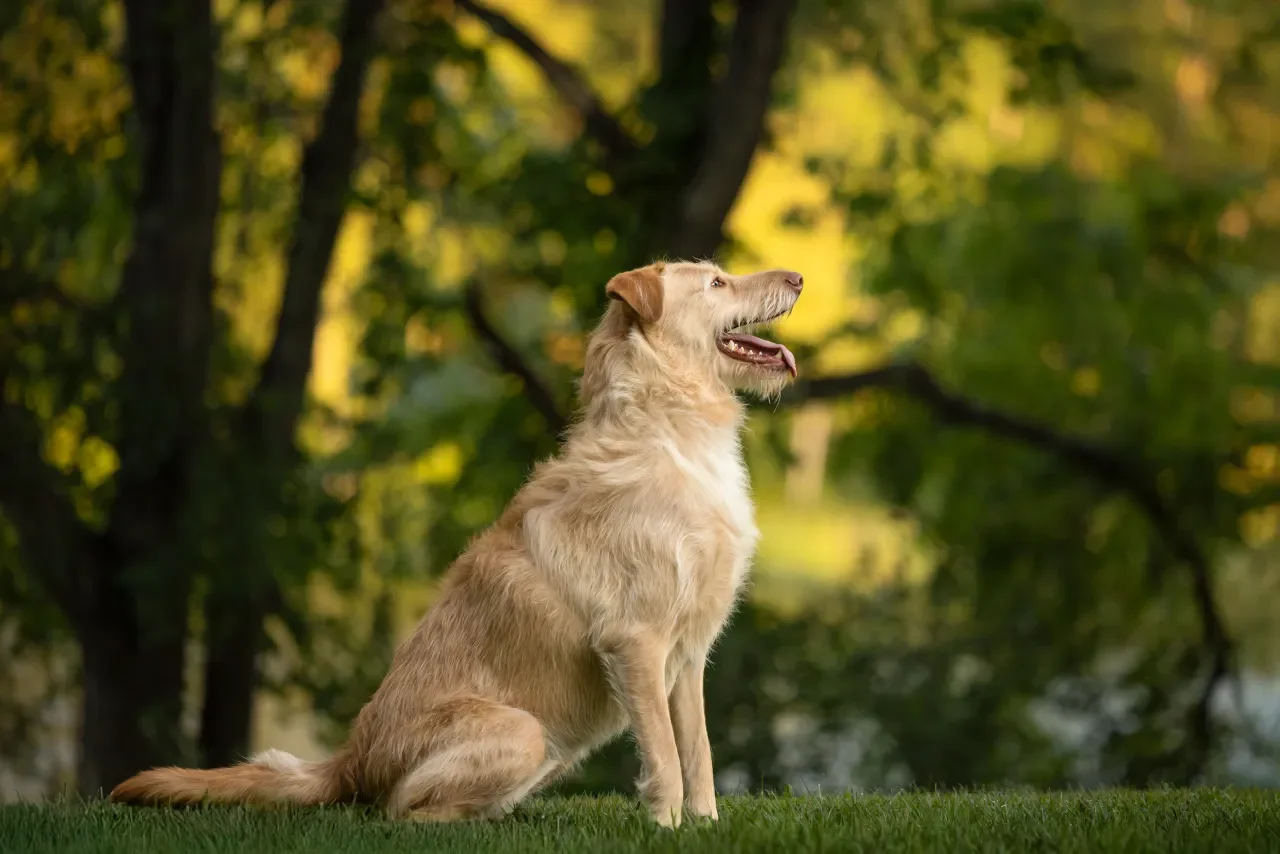
Cupcake is a mix of poodle, husky, golden retriever… and more.
Meet Cupcake 💛
Cupcake is a rescue from Lonely Hearts Rescue based in Frederick. She came north from a shelter in West Virginia with her mom and littermates, and she’s now 2.5 years old. Based on DNA testing done by her littermates’ families and what’s known about her mom, Cupcake is a mix of poodle, husky, golden retriever… and more. She’s the only blonde in her litter—and truly one of a kind.
Her mom describes her best as a “stubborn and delightful adventurer.” Hiking is Cupcake’s happy place. Deer don’t faze her at all—but if a bunny appears? It’s instant zoomies. She lives with four cats, who taught her to play using her paws (a lesson they may now regret since Cupcake is around 70 pounds). Despite that, she’s a gentle soul who cuddles with one of the cats, a brown tabby named Ruby.
One of Cupcake’s most endearing quirks? She sounds like a water buffalo when she lays down for a contented sleep—and she sleeps with just as much intensity as she plays.
But what truly makes Cupcake’s story special is her impact on her human.
Cupcake’s mom was diagnosed with heart failure five years ago, which led her to spend more time walking and exercising outdoors. When the family decided to adopt a dog, they knew they needed one as adventurous as she was. Cupcake became that partner from day one—joining her on walks, hikes, and training sessions filled with tricks like “dance,” “center,” “high five,” “horsey,” and her absolute favorite: “tap” (a trick that may have created a very enthusiastic paw-offering habit).
Together, they’ve walked farther, trained harder, and grown stronger. Her mom now has a heart that’s almost completely normal. As she so beautifully put it, “Cupcake didn’t fix my heart, but we’ve had a great journey together back from heart failure.”
Cupcake truly embodies her mix: the sporting ability of a poodle, the sociability of a golden retriever, and the stubborn independence of a husky. A perfect, imperfect blend.

Mixed breed dogs remind us that perfection isn’t about predictability—it’s about connection. Their uniqueness is their magic. They don’t come with a script, but they often become exactly the dog someone didn’t even realize they needed.

If you're considering adding a new dog to your family, please do your research on breed personalities, temperaments, grooming, shedding, and daily exercise needs first. Dogs are a 15–20 year commitment, for the lifetime of the dog, so be responsible when choosing the right breed for your lifestyle.
Sometimes, the best match isn’t a breed at all—it’s a beautifully mixed heart on four paws. 🐾